Age-Appropriate Toys that Won’t Give You Buyer’s Regret ages birth-10
By Dr. Sarah Chen
Age-Appropriate Toys that Won’t Give You Buyer’s Regret January 17, 2026 by Amy Webb, Ph.D. Ad 0:00 0:00/ 0:00 Slip peek: Learn how to select age-appropriate toys that support child development, motivate open-ended play, and keep kids engaged long-lasting. I’ll be truthful– last Christmas we made a big mistake. We bought our boys toys that were not fantastic options. There’s no sugar-coating it; we simply did. We believed we knewhow to select toys for a gift, however looking back, they were less-than-stellar choices.We had thought of what to get them,
however in the end, we arrange of caved to last-minute pressure. I have book understanding about assisted play and child advancement, we still selected items that were too much, too brief, and not long-lasting. Initially, there was the massive Lego set that our older
kid so liked, but it was such a task to put it together that he swore never to take it apart once again. So now it sits, untouched and lonely, on his cabinet. Now, don’t get me wrong, we LOVE Legos in our home. They promote such creativity and spatial abilities like no other toy. If the set is never ever utilized once again, its use ends up being restricted. div>
no included cost to you Then there was the slot cars and truck track we thought our younger kid would love. He did like it … for about a week. Then the fascination of
racing automobiles with good friends or his bro subsided. It used up an insane amount of space in our playroom, so we dismantled it, and it hasn’t been utilized since.Does this sound familiar?Even with all my training in kid advancement, selecting toys for a present for your kids is still challenging at times. It’s tough to balance what they in fact desire(or what’s
stylish)with what you know to
be better options based upon your values. We try not to foster excessive consumerism in our home, but it is hard to deny those pleas for the”cool” toy that all their good friends are allegedly getting. As moms and dads, we are typically inspired by honorable intentions– we wish to see those smiles and excitement on our kids’faces when they open that present. If the gift option is not made in a thoughtful method, it’s often tough to keep in mind that those smiles are typically short-term. Selecting age-appropriate toys for long-term interest is key.Choosing age-appropriate toys for kids can feel frustrating. The finest toys support kid advancement, encourage open-ended play, and hold kids’s interest beyond the very first couple of days. This guide discusses how to choose developmental toys for infants, young children, preschoolers, and elementary-age kids using child development research study. How to Choose the Best Toys for Kids It’s easy to get swept up in the excitement of a new toy– particularly when it’s beautifully packaged, greatly advertised, or guarantees educational
advantages. But numerous toys that initially capture a kid’s attention wind up forgotten within days.When choosing age-appropriate toys for your kid, it can help to stop briefly and ask a couple of easy questions before buying.A Simple Toy Selection Checklist Before acquiring a toy, ask yourself: Does this toy motivate imagination or creativity?Can it be used in more than one way?Will it grow with my kid over time?Does it encourage active play instead of passive entertainment?Is it suitable for my kid’s developmental stage?Does it match my kid’s authentic interests?Will this toy encourage connection, discussion, or analytical? Is it likely to hold my child’s
attention beyond the first few days?Does it include value to our
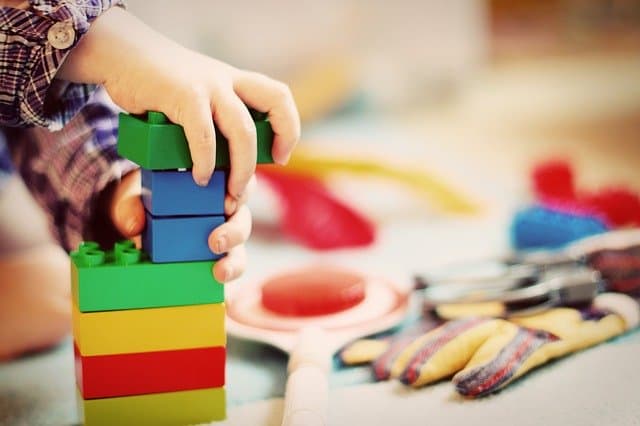
home, or just include clutter?In basic, the toys kids go back to once again and once again are frequently the easiest ones: blocks, dress-up
clothes, art materials, dolls, toy animals, constructing materials, balls, pretend play items, and open-ended materials that allow children to direct the play themselves.These kinds of toys tend to support creativity, independence, language advancement, problem-solving, and psychological growth in methods that flashy, single-purpose toys typically do not.The goal isn’t to purchase more toys. It’s to pick toys thoughtfully– so the toys we bring into
our homes truly support how children learn, play, and grow
Toys by Age As adults,
we have the emotional maturity( a minimum of the majority of the time)to look past the toy trends and make more thoughtful choices when deciding how to select toys for a present. This is where research can really assist
us. Remarkably, quite a couple of research studies have actually thought about the role that specific kinds of toys have on establishing kids’s brains and ability advancement. Here are a few things to
keep in mind when selecting the very best toys by age: Baby Toys(birth to age 1 )Limit electronic toys. Electronic toys tend to be overstimulating for children, and they do not have the brain advancement to comprehend all the beeping and flashing. Research study has revealed that standard toys cultivate more interaction with caretakers and promote language advancement much better than electronic toys. Open-ended toys for children are best for brain development.Traditional infant toys we love Shape sorter Bead Maze High-contrast mobile High-contrast colors. For the youngest babies, high-contrast colors are valuable due to the fact that their eyes don’t have full access to colors until about 5 months of age.Board books are essential. Youngsters LOVE the noise of your voice. In truth, you are an infant’s best”toy”by far.
Research studytells us that specific books assist foster language development quicker than others. Any reading, however, is fantastic for children ‘brains. See my complete list of the very best books for babies.Best Toys for Toddlers and Preschoolers Foster pretend play. All that dress-up play, playing grocery shop and doctor’s office, is fantastic for young kids’establishing brains. Pretend play is one of the finest ways to assist kids develop social-emotional skills given that
they haveto stay”in character”and design
the feelings of another individual. Pretend Play Nurse Costume Little variations. Kids at this age love to copy the actions of adults in
their lives. This is terrific for skill-building and social-emotional skills as well. Foster this type of play by choosing kid-size variations of adult tools– toy vacuum, mops, rakes, cleaning tools, play kitchens, and even kid-size tools are all great for this kind of play. Pretend Play Cleaning Set Play Kitchen Focus on standard abilities. Young children are still learning some fundamental eye-hand coordination skills like putting, filling, and stacking. This can be found in helpful when considering how to select toys for a present. Support this element of development by selecting toys that encourage these abilities. Open-ended toys for young children
, like blocks, pitchers, and sand-water tables, are all terrific examples of toys that
foster fundamental abilities. Sand and Water Table Pouring and Measuring SetRelated reading: Best
Toddler Toys for Learning and Development Best
Developmental Toys for Elementary-Age Kids As kids begin school and development through primary grades, their toy interests alter. They have actually mastered a number of the standard skills of stacking, pouring, and pretend play may be subsiding. Kids of this age are prepared for more challenge and creativity in their toys. Now that they are fluent in playing cooperatively (or perhaps competitively too )with sports, games and good friends likewise become more fascinating. Why Open-Ended Toys Are Better for Child Development Some of the very best toys for kids are typically the most basic ones.Open-ended toys can be utilized in numerous various methods. Rather of directing the play, they motivate children to use their creativity, creativity,
and analytical skills. Blocks can end up being a castle, a roadway, or a zoo. Dress-up clothing can develop into costumes, forts, or props for storytelling.This type of play supports
healthy child development in effective ways.Open-ended toys motivate: creativity and imagination problem-solving skills language advancement independent play executive functioning abilities like planning and versatility Unlike toys with just one purpose, open-ended toys tend to grow with kids and hold their attention longer over time.They also produce area for much deeper, more meaningful play. Kids are not just being entertained– they are building, experimenting, storytelling, working out, and discovering through
experience.In numerous cases, the toys kids return to a lot of are not the loudest or
trendiest toys, but the
ones that enable them to direct the play themselves.Building toys. Open-ended toys are still great at these older ages as
well. Legos, naturally, are the supreme structure toy for elementary-age kids however there are other excellent choices too.
With more advanced fine motor skills, kids ages 7+can truly do some sophisticated building. TinkerToys: a classic that is still incredible for kids Knex
Picasso Magnetic Tiles Crazy Forts Sports gear. Although I’m not a big fan of organized sports, I have actually seen their
appeal in my own kids, specifically as they reach older
ages( 8+). Kids this age have a great deal of energy and sports are an excellent method for themto utilize that energy in a focused, enjoyable way. Sports can also teach terrific lessons about cooperation, humbleness and team effort. Flag Football Set
Pitching Machine(This one has held up for
years of usage with my
son) Hands-Free Soccer Trainer
Parlor game Once kids reach primary school, board games
become a lot more fun for them(and you). Now that they are beyond the Candyland years, moms and dads and kids can actually take pleasure in family video game night with more complex video games. We still enjoy the classics like chess and Monopoly in our home, but there are some wonderful newer video games available too. Wish to discover some video games that cultivate cooperation more than competition? See my list of games that foster cooperation. Ticket to Ride
Labyrinth Otrio (strategy video game) Frequently Asked Questions About Age-Appropriate Toys
What are age-appropriate toys?Age -suitable toys are toys that match a child’s developmental stage, interests, and capabilities. The finest toys challenge children just enough without causing frustration or overstimulation.What toys hold kids’s attention the longest?Toys that permit kids to direct the play themselves typically
hold their attention the longest.
Building toys, pretend play products, art materials, and outdoor toys tend to grow with children over time.How lots of toys do kids really need?Children normally require fewer toys than we think. A smaller collection of attentively chosen toys
frequently results in deeper, more creative play than a frustrating number of options.How do I prevent purchasing toys my kids won’t use?Look for toys that motivate open-ended play, match your child’s interests, and can be utilized in numerous ways. Avoid toys that are excessively scripted, highly passive, or only entertaining
for a brief time.The best toys are seldom the loudest, trendiest, or most expensive. Toys that support creativity, creativity, connection, and movement tend to hold children’s attention the longest and offer the best developmental worth. When we select toys attentively, we aren’t simply buying home entertainment
— we’re supporting how kids learn.Love this article? Share it with a parent or friend! Perfect for Pinning: Category: Play-BasedLearning, Toddler Development Tag: child advancement, preschoolers, school-age, social-emotional, young children, toys
Is it likely to hold my child’s
attention beyond the first couple of days?Does it include worth to our
home, or merely add clutter?In general, the toys children return to once again and once again are frequently the simplest ones: blocks, dress-up
clothing, art products, dolls, toy animals, building materials, balls, pretend play products, and open-ended products that permit kids to direct the play themselves.These types of toys tend to support creativity, self-reliance, language advancement, analytical, and psychological growth in ways that fancy, single-purpose toys frequently do not.The objective isn’t to buy more toys. Little versions. Focus on basic skills.
Picasso Magnetic Tiles Crazy Forts Sports gear. Structure toys, pretend play products, art materials, and outside toys tend to grow with kids over time.How many toys do kids really need?Children normally need fewer toys than we think.


 Picasso Magnetic Tiles Crazy Forts Sports gear. Although I’m not a big fan of organized sports, I have actually seen their


